High-Proof Whiskey: Why Barrel Strength Is Dominating the Market

The Bold Shift Toward Barrel Strength
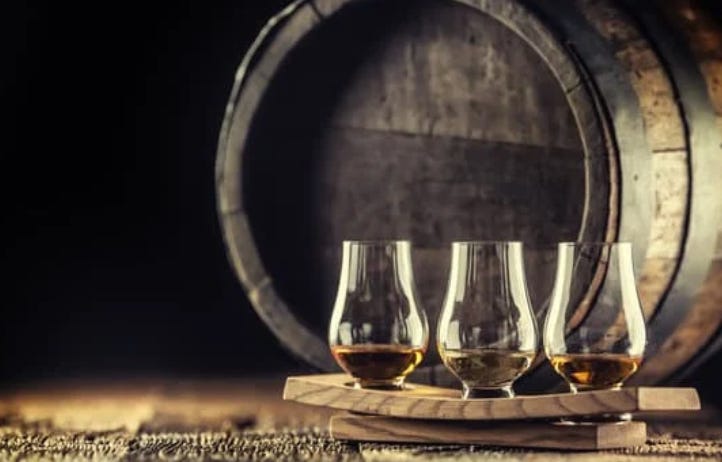
Proof isn’t just a number, it’s a statement. More enthusiasts are gravitating toward barrel-strength and high-proof whiskeys, captivated by their unfiltered intensity, rich complexity, and authentic character. Once a niche offering, these potent expressions are now a major force in the American whiskey market, with both legacy brands and smaller craft distilleries embracing the high-proof movement.
But what’s behind this growing trend, and which distillers are leading the charge? I’ll try to answer that in this article that explores the rise of barrel-proof whiskey, why it’s booming, and how smaller American distilleries are pushing the boundaries.
Why Drink Barrel Strength? The Flavor Advantage
Unlike standard whiskeys, which are diluted before bottling, barrel-strength whiskey is bottled straight from the cask, retaining its full proof and maximum flavor. This appeals to whiskey drinkers for several reasons: for one, intensified flavor; more alcohol means a richer, more concentrated taste. Two, for authenticity. Barrel-strength is whiskey in its purest form, exactly as it is aged in the barrel. And three, control over the drinker’s experience because they can add water or ice to tailor the strength to their liking.
As Chris Morris, Master Distiller at Woodford Reserve, explains:
"Barrel-strength whiskey offers the purest expression of what happens inside the barrel over time. It’s whiskey in its rawest form."
American Distillers Leading the Barrel-Proof Revolution
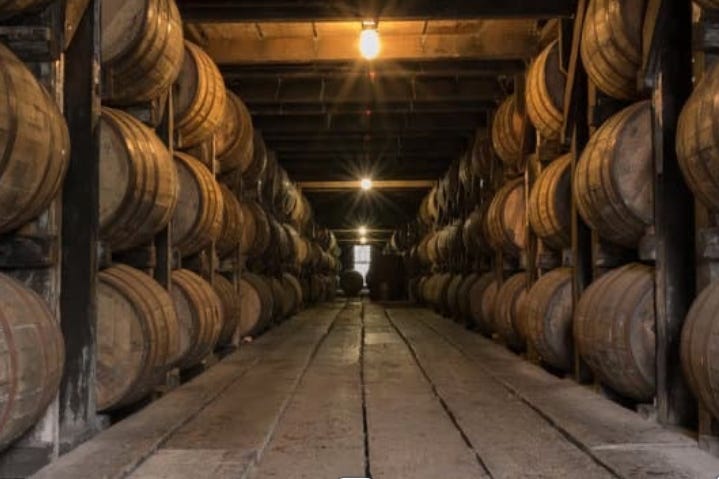
Some of America’s most respected distilleries are crafting powerful, high-proof expressions, from well-known producers to up-and-coming craft whiskey makers experimenting with bold techniques.
Legacy Distillers Producing Iconic Barrel-Strength Whiskeys
Buffalo Trace – George T. Stagg: A collector’s dream, offering deep caramel, dark fruit, and spice.
Jack Daniel’s Single Barrel, Barrel Proof: A rare high-proof Tennessee whiskey with banana, oak, and brown sugar notes.
Elijah Craig Barrel Proof: A Heaven Hill standout known for toasted oak, vanilla, and cinnamon spice.
Small American Distillers Experimenting with High-Proof Whiskey
While major brands dominate the high-proof space, craft distilleries across the U.S. are pushing the boundaries of barrel-strength whiskey innovation. Here are some standout small producers experimenting with proof, aging, and barrel finishing:
Starlight Distillery Cask Strength Bourbon – Indiana. This family-run distillery blends traditional bourbon-making with wine barrel finishes for added complexity.
New Riff Single Barrel Bourbon – Kentucky. 100% independently owned, offering non-chill filtered, bold, and spicy high-proof bourbons.
Peerless Barrel Proof Rye – Kentucky. A high-rye, high-proof whiskey that punches above its weight with bold, peppery complexity.
Kings County Barrel Strength Bourbon – New York. One of New York’s finest craft distilleries, producing rich, chocolatey, and deeply aged bourbons.
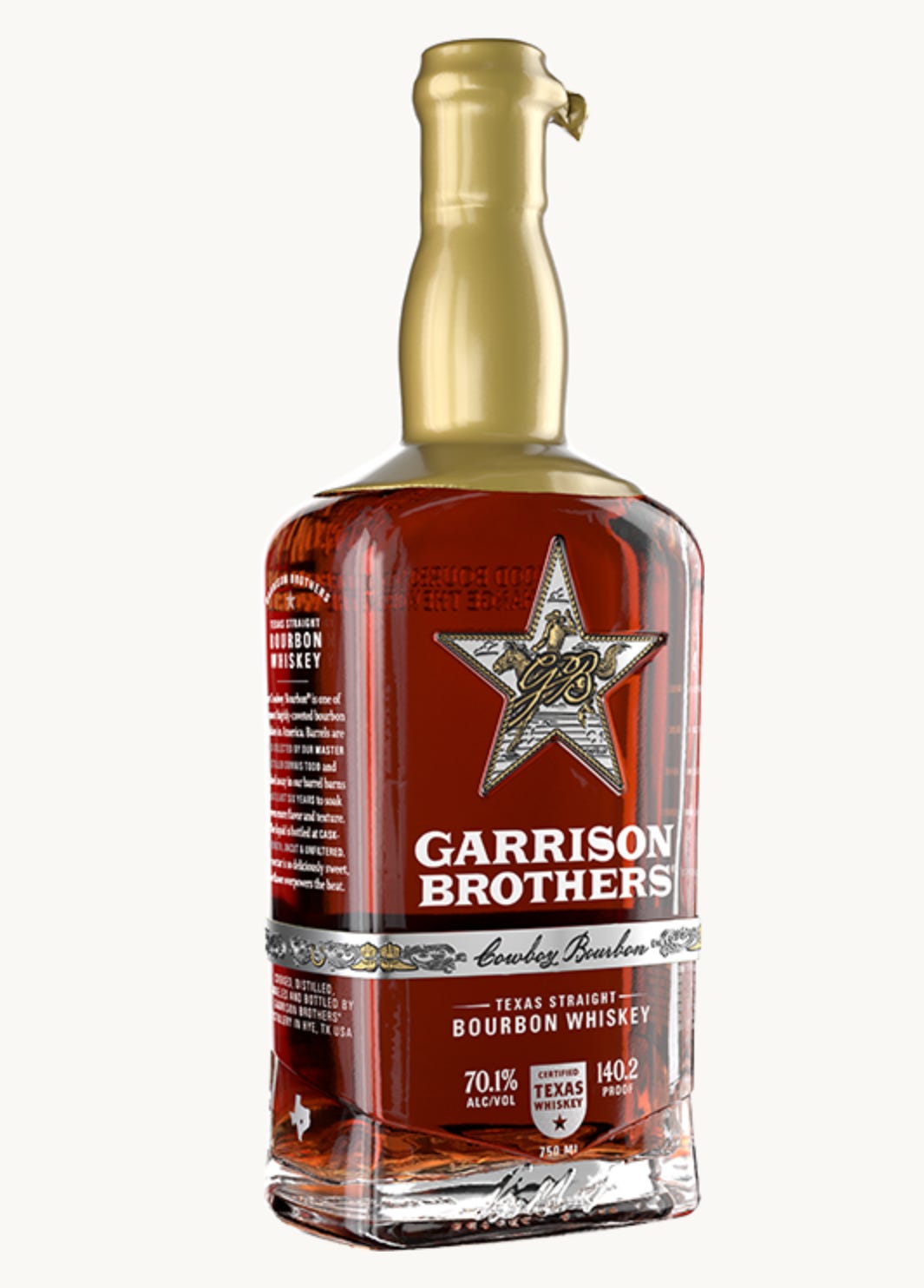
Garrison Brothers Distillery –Texas. Garrison Brothers produce a Cowboy Bourbon, which is uncut and unfiltered. It’s a rich, intense expression that has become a cult favorite among high-proof whiskey fans.
These distilleries are redefining the barrel-proof experience, proving that small producers can stand toe-to-toe with the giants.
The Barrel-Proof Limitation on American Single Malts
While bourbon and rye producers are thriving in the high-proof movement, American single malt whiskey faces a unique challenge. With the newly established TTB (Alcohol and Tobacco Tax and Trade Bureau) ruling defining American Single Malt Whiskey as a malted barley-based spirit distilled at no higher than 160 proof and bottled at a minimum of 80 proof, this category is inherently restricted from reaching the extreme barrel-strength levels seen in bourbon and rye.
Unlike other whiskey styles, which can be bottled at full barrel proof without dilution, American single malt must adhere to specific proof limits, preventing distillers from offering some of the ultra-high-proof releases that have gained popularity in other segments of the market. While this regulation ensures consistency and preserves the delicate balance of malt whiskey flavors, it also means that consumers seeking bold, uncut experiences may need to turn to bourbons, ryes, or unique cask-strength malt releases outside the U.S. to satisfy their craving for higher-proof expressions. However, some craft distillers are still pushing boundaries within these limits, experimenting with unique aging techniques, blending methods, and non-traditional finishes to enhance the intensity of their single malts.
How to Enjoy High-Proof Whiskey
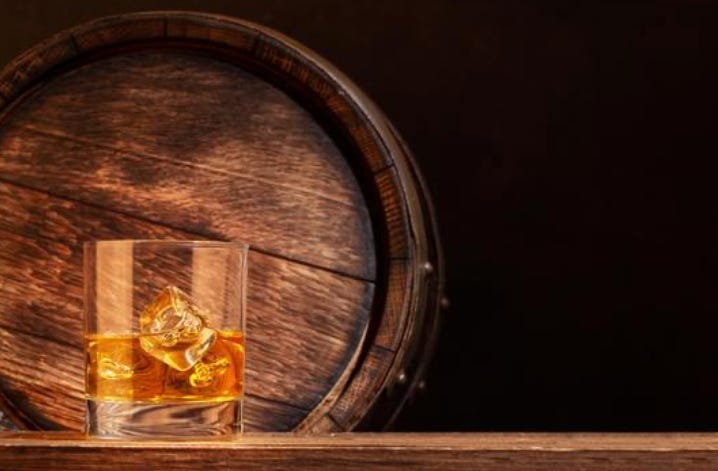
With whiskeys hitting 120+ proof, first-time drinkers may wonder how to properly enjoy these bold spirits without being overwhelmed. Sip neat first to experience the whiskey as the distiller intended before making adjustments. Try adding a few drops of water to unlock hidden flavors and soften the burn. Also, you could choose to use a large ice cube to chill the whiskey slowly while maintaining the whiskey’s complexity. And finally, when it comes to food pairing, serve with bold flavors. High-proof whiskeys stand up well to steak, dark chocolate, and spicy barbeque.
Why Is Barrel-Strength Whiskey More Expensive?
There are several reasons for the higher price. Since barrel-strength whiskey isn’t diluted with water, distilleries yield fewer bottles per barrel, making each bottle more costly to produce. Many barrel-strength releases are aged longer, leading to more evaporation loss (the angel’s share), and increasing scarcity. Most distilleries market barrel-proof releases as high-end, limited-edition offerings, which command a higher price. And with growing interest among collectors and enthusiasts, distillers can price them at a premium.
Is It Worth the Extra Cost?
For many whiskey lovers, barrel-proof whiskey is worth the higher price because it provides a more intense, unfiltered experience. They often have richer, more complex flavors than their diluted counterparts, and many limited-edition barrel-proof releases also hold or increase in value for collectors. However, if you’re not used to higher alcohol content or prefer a smoother, easier-drinking whiskey, the extra expense may not be justified.
Is Barrel Strength Here to Stay?
Far from being a passing trend, barrel-strength whiskey is now a defining feature of American whiskey culture. Whether it’s legacy distillers producing powerful, collector-worthy expressions or craft distilleries experimenting with new grains, finishes, and mash bills, high-proof whiskey has cemented itself as a must-have for enthusiasts.
You must be of drinking age in your country to view this content.
Please drink responsibly!
This is my private account; no bottles are for sale.